
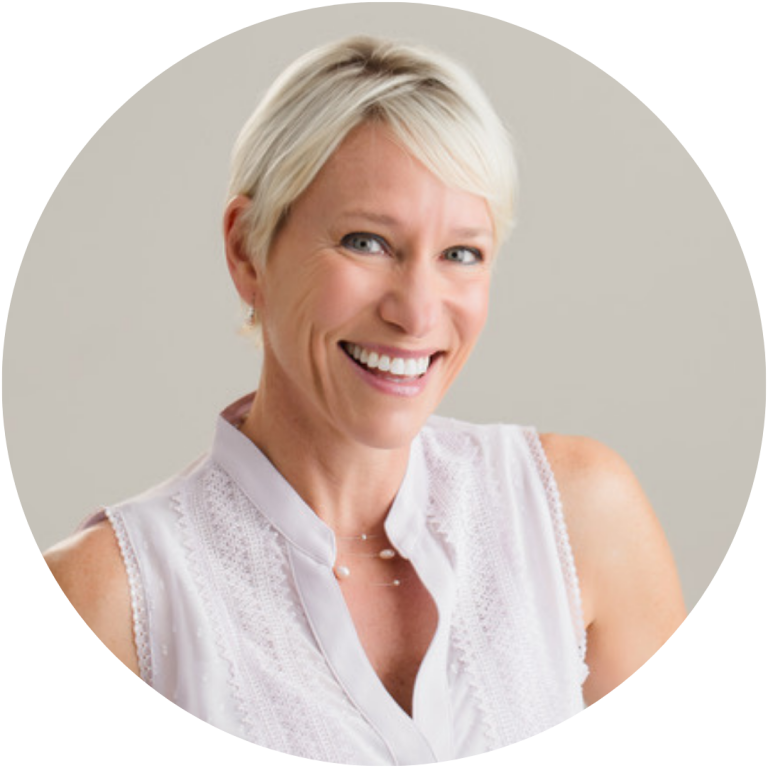
Hello! I'm Julie.
I help people who struggle with worrying thoughts and anxious feelings learn skills to feel clear, calm and confident so they can live the life they want.
With over 20 years years in the field, I am even more passionate about helping people than ever and excited to be able to offer evidenced-based methods that work.
Just like you, I’ve faced difficult times; loss, death, health issues, relationships ending, loneliness, depression, anxiety, etc. and just like you, I’ve reached out for help. For over 20 years, I’ve looked for the most direct route to deal with the discomfort & sometimes suffering that’s part of this human experience. I’ve been a client and student of many approaches to healing and my personal journey has given me insight, compassion and perspective.
I love sharing what works.
Over the years, I’ve been exposed to numerous modalities of healing and growth. Each has been a valuable contribution to my clinical repertoire and helped me fine-tune my practice. As a practical thinker, I’ve been dedicated to finding ways to put more power in your hands and giving you a way to feel better faster with more than concepts and theories. As a result, the framework of my practice is built on four things: time, efficacy, skills, and empowerment. The framework of my practice is built on four pillars: time, efficacy, skills, and empowerment.
Time. I’ve spent a lot it being in therapy myself. I’ve had breakthroughs and important insights about my past. Therapy has helped me feel less alone and more self-aware. But self-awareness didn’t make me happier or show me how to manage my emotional life. Don’t get me wrong, I’ve given and gotten great results from therapy over time. But I wanted a better way to help myself and my clients without such a lengthy commitment of time and money. Eventually, my years of searching and learning paid off. Now I offer clients more direct routes to feeling better.
Efficacy. I used to jump at the chance to learn whatever new approach came across my radar. There were so many and they all sounded so interesting; often touting impressive outcomes. I approached each with optimism and excitement, only to leave underwhelmed time and time again. With experience, I became more discerning and skeptical of such claims. Over time, I relied more on research and my own results, both personally and professionally. There are doubtless hundreds, perhaps thousands, of theories worldwide on what helps people feel better, but few have published research on results based on empirical studies like CBT* and EMDR**. Even more importantly, I’ve seen and experienced the evidence firsthand in how these approaches can change people’s lives.
Skills. Historically, the job of psychotherapy required knowledge, not skill. A graduate degree was the equivalent of competent practitioner. Nonetheless, I was anything but when I graduated in 1994. I knew I was going to need more than a degree to be good at my job. I sought out mentors, trainings, certifications and guidance to build my clinical skill. But knowledge is only half the equation; becoming a better therapist requires deliberate practice and application of knowledge over time. As such, I’ve been drawn to approaches that involve years of training because I’m passionate about giving the best I have to offer to everyone I work with.
Empowerment. I’ve felt a lot of things in my own therapy: understood, heard, safe, supported and cared for. One thing I rarely felt was empowered. It wasn’t until my exposure to CBT and then life coaching*** that I learned to build resilience by leveraging discomfort. I now know the steps to processing emotion and what it means to take full responsibility for my thoughts and feelings. It was hard and scary sometimes (and still is) but I didn’t have to do it alone and neither do you. That said, my job as your therapist is ultimately to make my job obsolete. Many therapists take the role of advisor, expert and director. I think this undermines your capacity to make changes for yourself. Instead, I want to empower you by showing you the tools, helping you apply ones that work for you and supporting you in being able to use them on your own; not just during therapy, but for the rest of your your life.